01
Why 8×42 is the classic
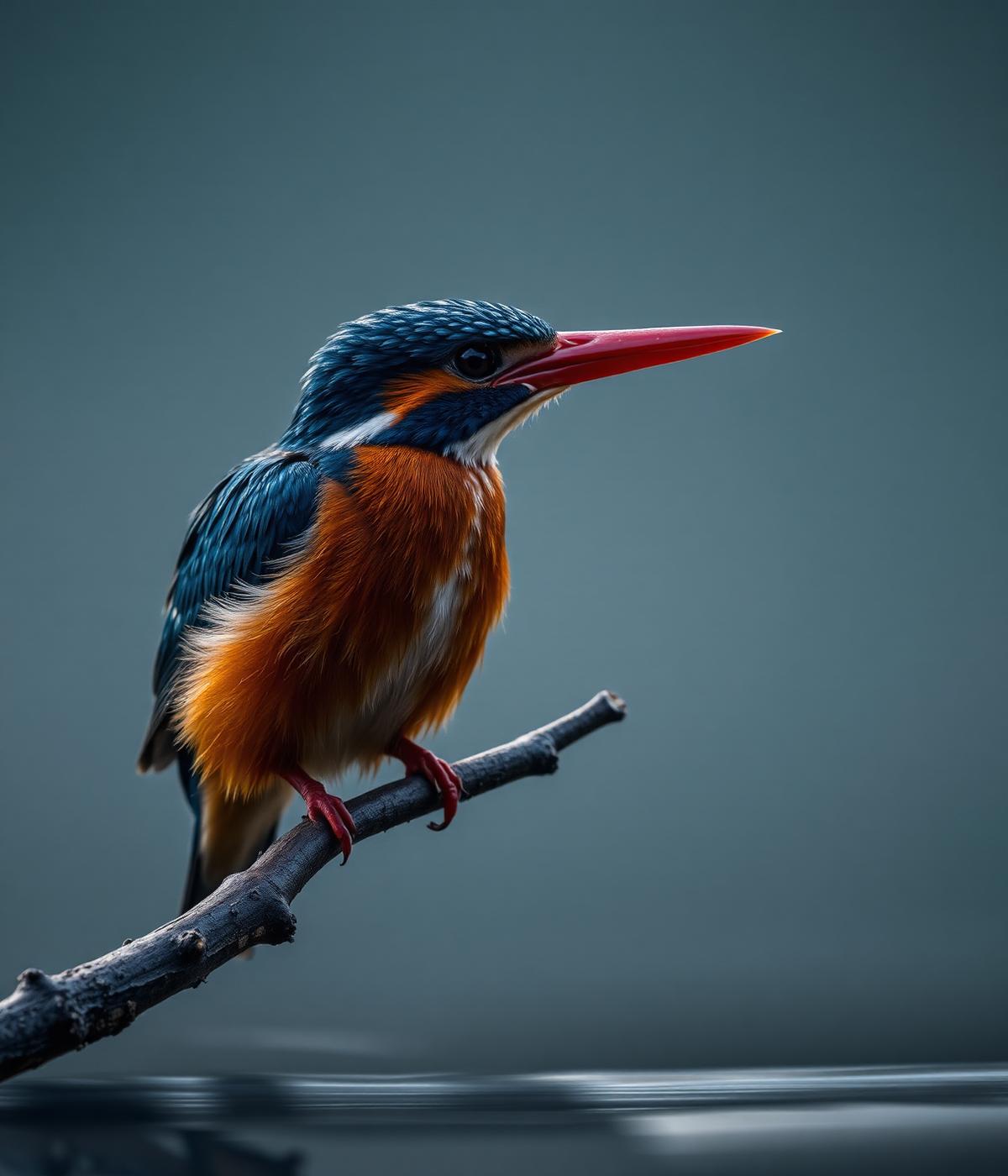
Birds are small, fast and often in poor light under a canopy. 8× magnification gives a wide field so you can get on the bird quickly and a steady view so you can study it. The 42mm objective produces a 5.25mm exit pupil, bright enough for dawn chorus and dusk roosts.
02
When 10× earns its place
On estuaries, reservoirs and coastal watchpoints your subjects are far away and you are usually standing still or leaning on a sea wall. Here 10×42 pulls in the detail you need to separate waders and gulls.
Wide, bright and easy to hold steady. Ideal for finding and following moving subjects.
03
Why birders choose ED
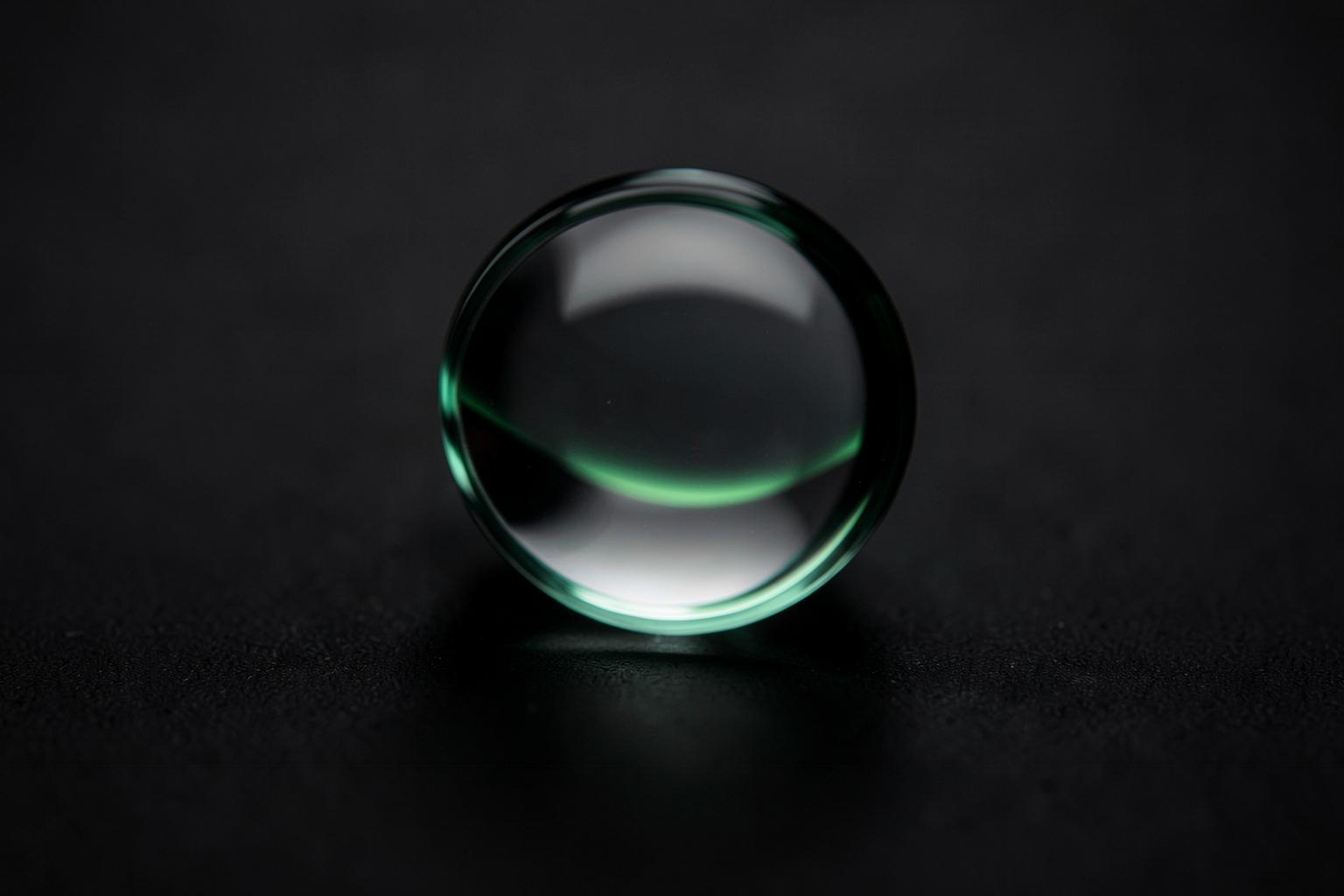
Birds against a bright sky are the hardest test for any binocular. Gulls, raptors and swifts overhead show colour fringing on standard glass that can hide the exact edge of a wing or the colour of a bill. ED glass removes most of it.
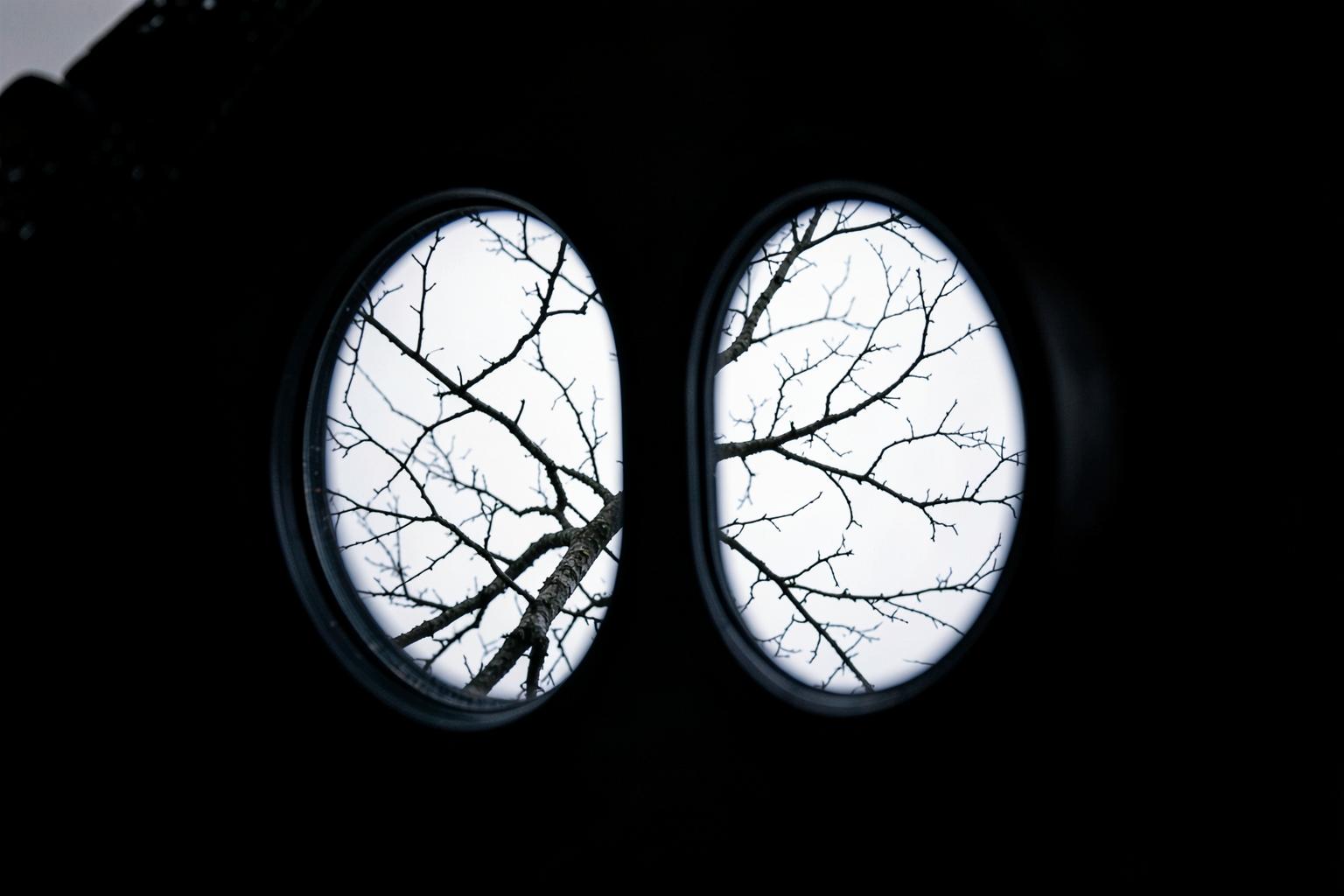
Drag the handle to compare. The effect is simulated and exaggerated so it is visible on a small screen. Real fringing is subtle but tiring over a long watch.
Frequently asked questions
8× or 10× for birding?+
8× for woodland, gardens and hedgerows where birds move fast and are close. 10× for estuaries, reservoirs and open moorland where subjects are distant and you are often standing still.